What Do Toads Eat? The Complete Feeding Guide for Pet Toad Owners
Wondering what do toads eat? Discover the best feeder insects, feeding schedules, and common mistakes to avoid. Start feeding your pet toad right today!


✓Recommended Gear
Toads are surprisingly demanding eaters — and feeding them wrong is one of the fastest ways to make a pet toad sick. Knowing exactly what toads eat keeps your pet healthy, active, and thriving for years.
Quick Answer: Toads eat live insects. Crickets, earthworms, Dubia roaches, and waxworms are the staples. Pet toads need gut-loaded, calcium-dusted insects fed 2-3 times per week (adults) or daily (juveniles). Never feed dead prey — toads only respond to movement.
What Toads Eat in the Wild
Wild toads are opportunistic predators — they'll eat almost any prey that moves and fits in their mouth.
Toads hunt entirely by sight. They track movement, then strike with a fast, sticky tongue. This instinct doesn't change in captivity.
Common Wild Toad Prey
In natural habitats, toads regularly eat:
- Crickets, grasshoppers, and beetles
- Earthworms and nightcrawlers
- Grubs and beetle larvae
- Slugs and snails
- Moths, flies, and gnats
- Spiders and small centipedes
- Pinky mice (large toad species only)
- Small frogs or juvenile toads (opportunistic cannibalism)
Larger species like the Cane Toad (Rhinella marina) are documented eating small lizards, bats, and even juvenile snakes [1]. According to The Spruce Pets, toads in the wild consume an enormous variety of invertebrates — making dietary variety essential in captivity too.
What Toads Eat in Winter
Toads don't eat during winter. They brumate — a hibernation-like state where body functions slow to a near-halt [2].
Wild toads burrow underground when fall temperatures drop. They stop eating entirely and stay dormant until spring warmth triggers emergence.
Pro Tip: If your pet toad refuses food in late October or November, it may be entering a natural brumation cycle. Don't panic and don't force-feed. Reduce the enclosure temperature slightly and cut feeding attempts to once per week until appetite returns in spring.
What to Feed Pet Toads
The foundation of any healthy pet toad diet is live, gut-loaded insects dusted with calcium powder at every single feeding.
Pet toads rely on movement to trigger their feeding instinct. Dead or still insects get ignored completely. Always use live feeders.
Best Feeder Insects: Comparison Table
| Feeder | Protein | Fat Level | Frequency | Verdict |
|---|---|---|---|---|
| Dubia Roaches | High | Low | 3-4x/week | ⭐ Best overall staple |
| Crickets | High | Low | 3-4x/week | Excellent variety option |
| Earthworms | High | Very Low | 2-3x/week | Outstanding nutrition |
| Black Soldier Fly Larvae | High | Moderate | 2-3x/week | Best natural calcium ratio |
| Hornworms | Low | Low | 1-2x/week | Hydration booster |
| Mealworms | Moderate | Moderate | 1-2x/week | Use sparingly |
| Waxworms | Low | Very High | Treat only | Toad candy — limit strictly |
Check out our Best Pet Toads guide for beginners to see species-specific feeding recommendations for the most popular pet toad choices in 2026.
Gut-Loading: The Step Most Beginners Skip
Gut-loading means feeding your feeder insects nutritious food 24-48 hours before offering them to your toad.
An unfed cricket is nearly nutritionally empty. A properly gut-loaded cricket is a vitamin-packed meal your toad actually benefits from.
Good gut-load ingredients include:
- Leafy greens (collard greens, dandelion leaves, kale)
- Sweet potato and butternut squash
- Bee pollen granules
- Commercial gut-load powder
Pro Tip: [Dubia roaches](https://www.amazon.com/dp/B008D95M30?tag=krawlo-20 are the best staple feeder for most pet toads. They're easier to gut-load, live longer without escaping, and have a better protein-to-fat ratio than crickets.
Calcium and Vitamin Supplements
Every feeder insect needs calcium powder applied before it enters the enclosure.
Without calcium, toads develop metabolic bone disease — a painful, often fatal condition where bones weaken and deform. According to PetMD's amphibian nutrition guide, calcium supplementation is non-negotiable for all captive amphibians [3].
Supplement schedule:
- Calcium with D3: every single feeding
- Reptile multivitamin: once per week
Quick Facts
Best Staple Feeder
Dubia Roaches
Adult Feeding Frequency
2-3x per week
Juvenile Feeding
Daily
Calcium Supplement
Every feeding (with D3)
Multivitamin
Once per week
How Often to Feed Pet Toads
Feeding frequency depends on your toad's age — and overfeeding is just as dangerous as underfeeding.
Toads lack strong appetite regulation. Left unchecked, they'll overeat until dangerously obese.
Toad Feeding Schedule by Life Stage
| Life Stage | Age | Frequency | Insects Per Session |
|---|---|---|---|
| Toadlet | 0-3 months | Daily | 10-15 micro-insects |
| Juvenile | 3-12 months | Daily or every other day | 5-10 small insects |
| Sub-adult | 1-2 years | Every other day | 5-8 medium insects |
| Adult | 2+ years | 2-3x per week | 3-6 large insects |
| Senior | 5+ years | 2x per week | 2-4 large insects |
Always feed in the evening or at dusk. Toads are nocturnal hunters and most active after dark.
Common Myth: "Toads can eat as much as they want — they know when they're full." Reality: Toads don't have a strong satiety signal. They keep eating until food is gone. Stick to scheduled portions and remove uneaten insects after 15-20 minutes.
As of June 2026, experienced keepers widely recommend offering two different feeder species per session to ensure better nutritional variety and reduce the risk of feeder refusal.
Key Takeaways
What you need to know
Feed adult toads 2-3 times per week — never daily
Juveniles and toadlets need food every day for fast growth
Always feed at dusk — toads are nocturnal hunters
Remove uneaten insects after 15-20 minutes every session
Overfeeding causes fatty liver disease and early death
Foods Toads Should Never Eat
Some foods are toxic to toads — and a few can kill within hours of ingestion.
Never feed your toad any of the following:
- Fireflies (lightning bugs) — the toxin lucibufagin is lethal to amphibians. Even one firefly can kill a toad [2].
- Wild-caught insects — may carry pesticides, parasites, or unknown pathogens
- Dead or dried insects — won't trigger the feeding response and harbor bacteria
- Fruits or vegetables — toads are strict insectivores; plant matter causes gut impaction
- Pinky mice — high fat is dangerous for small species; appropriate only for large species like Cane Toads
- Any human food — no exceptions, ever
Common Myth: "Insects from my organic garden are safe for my toad." Reality: Even organic gardens harbor parasites and natural plant-based toxins that harm amphibians. Wild insects also carry pathogens captive toads have no immunity to. Always use captive-bred, commercially raised feeders.
If you're comparing feeding requirements across species, our What Do Turtles Eat complete keeper's guide covers similar calcium-dusting and gut-loading principles for aquatic reptiles.
What Baby Toads Eat
Baby toads (toadlets) need tiny, moving prey — standard-sized crickets are too large and can injure or stress them.
A toadlet that just finished metamorphosis is often less than 1.5 cm long. Their small mouths can only handle micro-prey.
Best Micro-Feeders for Baby Toads
- Flightless fruit flies (Drosophila hydei or D. melanogaster) — easiest to source, perfect size
- Springtails — self-sustaining in bioactive enclosures, excellent nutrition
- Pinhead crickets (1/8 inch or smaller)
- Micro mealworms — use sparingly due to high chitin content
- Small waxworm pieces — occasional treat only
According to the Dubia Roaches amphibian care guide, toadlets need daily feeding without exception until they're at least 3 months old.
Feed toadlets every single day. [Flightless fruit fly cultures](https://www.amazon.com/dp/B0BSG71TDL?tag=krawlo-20 are inexpensive, last 4-6 weeks, and have become the keeper community standard for toadlet care. Dust every micro-feeding with finely-ground calcium and D3 — even tiny prey needs it.
Common Toad Feeding Mistakes to Avoid
Most toad health problems trace back to diet errors — and nearly all are preventable.
Mistake 1: Not Gut-Loading Feeders
Unloaded crickets are nutritional wastelands. Gut-load every feeder insect 24-48 hours before it goes into the enclosure. It takes five minutes and makes a major difference in toad health long-term.
Mistake 2: Overusing Waxworms
Waxworms are high-fat and addictive. Toads that eat too many waxworms start refusing other foods entirely. Limit waxworms to once per week as a special treat.
Mistake 3: Leaving Insects in the Enclosure Overnight
Crickets bite. A sleeping toad can wake up with skin wounds and significant stress from being gnawed on. Remove all uneaten feeders after 15-20 minutes — every single time.
Mistake 4: Forgetting Calcium at Every Feeding
Calcium deficiency builds slowly and silently. By the time visible symptoms appear — bowed limbs, lethargy, tremors — significant bone damage has already occurred. Dust every feeding with no exceptions.
Mistake 5: Feeding During the Day
Toads are crepuscular to nocturnal. Daytime meals are almost always ignored. Feed at dusk or later for consistent results and better feeding responses.
Ready to get started? Grab a reptile calcium supplement with D3 and a live feeder supply to build your toad's ideal diet from day one.
See also our best pet toads picks for beginners in 2026 — each species profile includes diet notes so you can plan feeding before you even bring your toad home.
How Toads Drink: Hydration Basics
Toads don't drink water with their mouths — they absorb it directly through their skin.
This matters for feeding. A dehydrated toad often stops eating before showing any other symptoms. Keep a shallow water dish available at all times.
Water dish requirements:
- Size: Large enough for the toad to sit in fully
- Water type: Dechlorinated only — chlorine in tap water damages amphibian skin
- Change frequency: Daily — bacteria accumulate fast in warm enclosures
Signs your toad may be dehydrated:
- Sunken, dull eyes
- Wrinkled or dry-looking skin
- Lethargy and sudden feeding refusal
Pro Tip: If your toad suddenly stops eating and looks lethargic, check the water dish first. Dehydration is the most overlooked cause of appetite loss in pet toads.
Recommended Gear
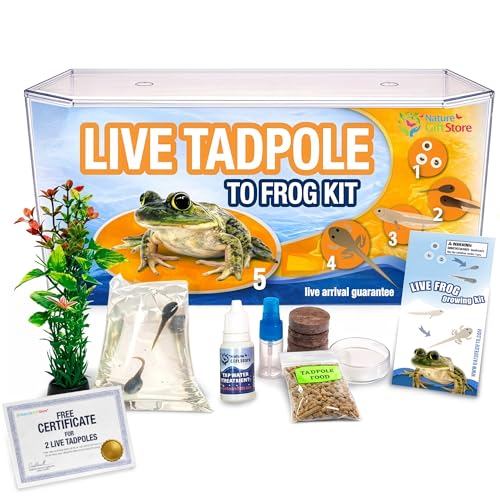
Aquarium Starter Kit
A complete starter kit makes setup straightforward and reduces the chance of early mistakes.
Check Price on AmazonWater Conditioner
Dechlorinating tap water before adding fish is essential for their health.
Check Price on Amazon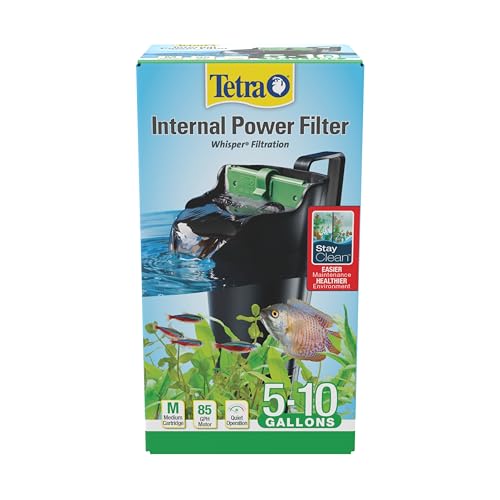
Aquarium Filter
Reliable filtration keeps the nitrogen cycle stable and water parameters in range.
Check Price on AmazonFrequently Asked Questions
No. Toads are strict insectivores and their digestive systems only process live prey. Fruit, vegetables, and processed foods all cause gut impaction and serious illness. Always stick to live, gut-loaded insects only.
References & Sources
Related Articles

Can Beardies Eat Strawberries? Safe Portions, Risks, and Feeding Tips
Can beardies eat strawberries? Learn safe portions, feeding frequency, and apartment-friendly cleanup tips. Read the guide before offering a bite today.

What Do Jumping Spiders Eat? Safe Feeding Guide for Parents and Kids
What do jumping spiders eat? Learn safe feeder bugs, feeding schedules, and parent-friendly care tips so you can decide if this tiny pet fits your home.

What Do Tarantulas Eat? Feeding Schedule, Prey Types & Travel Tips for Busy Owners
Tarantulas eat live insects just once every 7-14 days — perfect for busy schedules. Learn the best feeders, travel tips, and care shortcuts for professionals.