Best Pet Snakes for Beginners: 10 Top Picks Ranked
Ranked by ease of care, temperament, and cost — the 10 best pet snakes for beginners, with a quick-match table so you can find your perfect first snake instantly.


This article contains affiliate links. If you make a purchase through these links, we may earn a small commission at no extra cost to you. See our affiliate disclosure for details.
We recommend 7 picks here. Our top choice is the Inkbird ITC-306A Reptile Thermostat — check price and availability below.
How we choose: we compare published specifications against the care requirements in veterinary and species-care literature, and weigh those against what long-time keepers report. We do not test products ourselves and we do not restate Amazon star ratings. The 5 sources behind this article are listed at the bottom.
Choosing your first snake shouldn't be a guessing game. The wrong species — one that's nippy, refuses to eat, or needs expert-level husbandry — can turn an exciting new hobby into months of frustration.
This guide ranks the 10 best pet snakes for beginners based on four criteria: temperament, feeding reliability, care complexity, and long-term cost. At the top, you'll find a quick-match table so you can scan all 10 species side-by-side and jump straight to the ones that match your space, budget, and handling goals.
Every snake on this list is captive-bred, widely available, and genuinely manageable for a first-time keeper.
Quick-Match Table: All 10 Species at a Glance
| Snake | Adult Size | Lifespan | Diet | Starter Cost | Handling | Beginner Score |
|---|---|---|---|---|---|---|
| Corn Snake | 3-5 ft | 15-20 yrs | F/T mice | $30-$80 | Excellent | ⭐⭐⭐⭐⭐ |
| Ball Python | 3-5 ft | 20-30 yrs | F/T mice | $40-$150 | Excellent | ⭐⭐⭐⭐⭐ |
| Kenyan Sand Boa | 1.5-2.5 ft | 15-20 yrs | F/T mice | $60-$120 | Good | ⭐⭐⭐⭐⭐ |
| Western Hognose | 1.5-3 ft | 15-20 yrs | F/T mice | $100-$300 | Good | ⭐⭐⭐⭐ |
| Rosy Boa | 2-3 ft | 25-30 yrs | F/T mice | $50-$150 | Excellent | ⭐⭐⭐⭐ |
| California Kingsnake | 3-4 ft | 15-20 yrs | F/T mice | $40-$80 | Good | ⭐⭐⭐⭐ |
| Milk Snake | 2-4 ft | 15-20 yrs | F/T mice | $50-$120 | Good | ⭐⭐⭐⭐ |
| Gopher/Bull Snake | 4-6 ft | 15-20 yrs | F/T mice | $50-$100 | Moderate | ⭐⭐⭐ |
| Children's Python | 2-3 ft | 15-20 yrs | Mice/lizards | $80-$200 | Good | ⭐⭐⭐ |
| African House Snake | 2-3.5 ft | 15-20 yrs | F/T mice | $60-$150 | Good | ⭐⭐⭐⭐ |
F/T = Frozen/Thawed — the industry standard for safe, ethical feeding
Top Snake Picks for Beginners
Quick recommendations
Reliable feeder, active temperament, forgiving care — the gold standard beginner snake
Docile, compact, enormous morph variety — the world's most kept pet snake
Tiny enclosure and feeding costs, excellent feeders — ideal for space-limited keepers
Charming behavior and unique appearance — engaging for beginners willing to invest
Corn Snake Stats
Adult Size
3-5 ft (90-150 cm)
Lifespan
15-20+ years
Diet
Frozen/thawed mice
Enclosure
40-gallon (adults)
Starter Cost
$30-$80 CBB
Captive-bred
Care Difficulty
★☆☆☆☆
Ball Python Stats
Adult Size
3-5 ft (90-150 cm)
Lifespan
20-30+ years
Diet
Frozen/thawed mice or rats
Enclosure
4×2×2 ft (adults)
Starter Cost
$40-$150 CBB
Morphs can exceed $500
Care Difficulty
★☆☆☆☆
Detailed Reviews
1. Inkbird ITC-306A Reptile Thermostat
Must-Have
Inkbird ITC-306A Reptile Thermostat
Pros
- •Precise on/off temperature control
- •High/low alarm alerts
- •Affordable and widely trusted in the hobby
Cons
- •On/off cycling can shorten bulb life slightly — use a dimming thermostat for heat lamps
2. Etekcity Lasergrip Infrared Thermometer
Best Value
Etekcity Lasergrip Infrared Thermometer
Pros
- •Instant point-and-shoot surface readings
- •Accurate to ±1.5°F
- •Under $20 — cheapest critical tool in the hobby
Cons
- •Measures surface only — pair with a probe thermometer for air temps
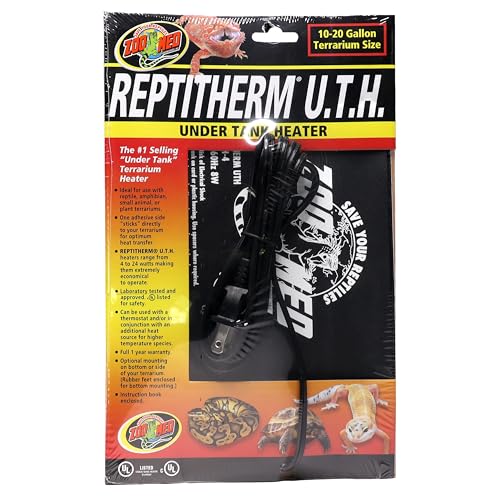
3. Zoo Med Repti Therm Under Tank Heater
Top Pick
Zoo Med Repti Therm Under Tank Heater
Pros
- •Reliable and widely available
- •Thin profile — fits under glass terrariums
- •Multiple sizes for different enclosures
Cons
- •MUST be used with a thermostat — uncontrolled UTHs can burn substrates and animals
4. Exo Terra Snake Cave Hide
Editor's Choice
Exo Terra Snake Cave Hide
Pros
- •Snug opening reduces stress
- •Easy to clean
- •Available in multiple sizes to match snake growth
Cons
- •Buy two — one per thermal gradient end
5. REPTI ZOO Reptile Feeding Tongs
Must-Have
REPTI ZOO Reptile Feeding Tongs
Pros
- •Long enough to keep hands clear of strike range
- •Stainless steel — easy to sanitize
- •Inexpensive; every keeper needs one
Cons
- •Cheap plastic tongs bend and break — spend a little more for stainless
6. Govee Digital Hygrometer Thermometer
Govee Digital Hygrometer Thermometer
Pros
- •Dual sensor probe covers warm and cool side simultaneously
- •Min/max memory function
- •Affordable and accurate
Cons
- •Bluetooth app is optional — basic display works fine without it
7. Reptile Prime Coconut Fiber Substrate
Reptile Prime Coconut Fiber Substrate
Pros
- •Naturalistic appearance
- •Holds humidity without becoming soggy
- •Safe for accidental ingestion in small quantities
Cons
- •Not ideal for desert species (rosy boa, sand boa) — use dry aspen or sand for those
1. Corn Snake — The #1 Beginner Snake
| Stat | Detail |
|---|---|
| Adult size | 3-5 ft (90-150 cm) |
| Lifespan | 15-20+ years |
| Diet | Frozen/thawed mice |
| Enclosure | 40-gallon (adults) |
| Price (snake) | $30-$80 CBB |
| Difficulty | ★☆☆☆☆ |
Corn snakes (Pantherophis guttatus) have earned their status as the go-to beginner snake through decades of proving it in the hobby. They're slender, active, rarely defensive, accept frozen/thawed prey almost without exception, and come in an enormous variety of captive-bred morphs — from classic orange-red to lavender, charcoal, and snow.
Adults reach a manageable 3-5 feet (90-150 cm) and are active enough to be entertaining without becoming a challenge to handle. The biggest appeal for beginners is their feeding reliability — corn snakes almost never go off feed except during a shed cycle. When other snakes develop food strikes that test a new keeper's patience, corn snakes are reliably eating every 7-10 days.
Their thermal requirements are forgiving: a warm side of 82-85°F (28-29°C) and a cool side around 72-75°F (22-24°C) is easy to achieve with a simple under-tank heater. No UVB required, though low-level UVB is now recommended by many experienced keepers.
Pros:
- Most forgiving feeder in the hobby — rarely refuses F/T prey
- Active, curious temperament; tames down quickly
- Huge morph variety at low prices
- 15-20+ year lifespan — a long-term companion
- Widely available captive-bred
Cons:
- Active escape artists — enclosure lid security is critical
- Not a "display snake" — they spend a lot of time hidden
- Slightly more active than a ball python; needs more enrichment
Read our full corn snake care guide for a complete husbandry breakdown, and our corn snake diet and feeding guide for prey sizing and frequency schedules.
2. Ball Python — Most Popular Pet Snake in the World
| Stat | Detail |
|---|---|
| Adult size | 3-5 ft (90-150 cm) |
| Lifespan | 20-30+ years |
| Diet | Frozen/thawed mice or rats |
| Enclosure | 4x2x2 ft (adults) |
| Price (snake) | $40-$150 CBB (morphs can reach $500+) |
| Difficulty | ★☆☆☆☆ |
Ball pythons (Python regius) are the most widely kept pet snake in the world, and for good reason. They have a naturally docile temperament — rarely biting even when stressed, preferring instead to curl into a tight ball (hence the name). Adults top out at a very manageable 3-5 feet, making them one of the most apartment-friendly constrictors available.
The hobby's obsession with ball python morphs has produced hundreds of pattern and color variants, with new ones appearing every breeding season. A basic normal morph runs $40-$80; a desirable morph like spider, clown, or pied can reach several hundred dollars. This gives beginners an easy entry point with room to geek out on genetics as their interest grows.
The one caveat for beginners: ball pythons have a reputation for food strikes — extended periods of refusing food that can last weeks or months, particularly during breeding season (October-February) or after environmental changes. This is stressful for new keepers but rarely dangerous. A healthy ball python can safely fast for 4-6 months. Read our guide on why ball pythons refuse food before you panic.
Pros:
- Naturally docile — rarely defensive
- Compact adult size, easy to house
- Enormous morph variety
- 20-30+ year lifespan
- No UVB required (though beneficial)
Cons:
- Prone to extended food strikes — stressful for beginners
- Needs higher humidity (60-80%) — requires more active management
- More sedentary than corn snakes
See our full ball python care guide, ball python tank setup, heating guide, and feeding guide for complete setup instructions.
3. Kenyan Sand Boa — Best Small Snake for Beginners
| Stat | Detail |
|---|---|
| Adult size | 1.5-2.5 ft (45-76 cm) |
| Lifespan | 15-20+ years |
| Diet | Frozen/thawed mice (pinky/fuzzy) |
| Enclosure | 20-gallon (adults) |
| Price (snake) | $60-$120 CBB |
| Difficulty | ★☆☆☆☆ |
Kenyan sand boas (Eryx colubrinus loveridgei) are the best option for anyone who wants a truly compact snake. Females reach 24-30 inches at most; males stay even smaller at 15-20 inches. They spend most of their time burrowed under substrate — a behavior that surprises first-time sand boa keepers who expected to see their new pet more often.
Despite their burrowing habits, sand boas are exceptional feeders and rarely refuse frozen/thawed prey. They're also among the gentlest snakes in the hobby once settled — initial defensive strikes from juveniles are common, but captive-bred adults are typically calm with regular handling.
Their small prey requirements (pinkies and fuzzies throughout their lives) means significantly lower feeding costs than larger snakes. A 20-gallon tub setup serves them for life. If you're tight on space or budget, the Kenyan sand boa is the most practical snake on this list.
Pros:
- Tiny enclosure and prey requirements — lowest long-term cost
- Rarely refuses food
- Compact size; ideal for apartments or limited space
- Growing morph variety (snow, albino, anerythristic, paradox)
Cons:
- Burrowing habit means low visibility — not a display snake
- Juveniles can be nippy before taming
- Females and males look very different (dimorphic) — easy to mismatch if buying unsexed
Read our detailed Kenyan sand boa care guide and see the species profile for morph and sourcing information.
4. Western Hognose Snake — Best Personality
| Stat | Detail |
|---|---|
| Adult size | 1.5-3 ft (45-90 cm) |
| Lifespan | 15-20+ years |
| Diet | Frozen/thawed mice; may need scenting |
| Enclosure | 20-40 gallon |
| Price (snake) | $100-$300 CBB |
| Difficulty | ★★☆☆☆ |
Western hognose snakes (Heterodon nasicus) are the comedians of the snake world. When threatened, they perform an elaborate bluff: hissing, flattening their neck like a cobra hood, lunging with a closed mouth — and if you don't back down, rolling dramatically onto their back and playing dead, sometimes even lolling their tongue out for full effect. Once you've seen a hognose death-feign, you'll never forget it.
Beyond the theatrics, hognose snakes are genuinely wonderful pets: small, manageable, available in gorgeous morphs (arctic, toffeebelly, pistachio), and typically calm during handling once past the "bluff" phase. The mild rear-fanged venom is a point of debate — it's harmless to most humans but can cause localized swelling in sensitive individuals. Hognose bites are uncommon and more annoying than dangerous.
The feeding caveat: some hognose snakes — particularly juveniles — can be reluctant feeders. Scenting prey with toad, fish, or amphibian-flavored transfers can help, but this adds a layer of management that pure beginners may find frustrating. Adults are generally more reliable.
Pros:
- Entertaining defensive display — genuinely hilarious
- Small adult size, easy to handle
- Wide morph variety; growing in popularity
- Can be housed in modest enclosures for life
Cons:
- Juvenile feeders can be stubborn; may require scenting
- Higher price point than corn snakes or ball pythons
- Rear-fanged (trivially venomous) — not a concern for most, but worth noting
Read our full western hognose snake care guide and western hognose species profile for setup, feeding, and morph details. Also see our hognose snake enclosure guide for enclosure recommendations.
5. Rosy Boa — Longest-Lived Beginner Snake
| Stat | Detail |
|---|---|
| Adult size | 2-3 ft (60-90 cm) |
| Lifespan | 25-30+ years |
| Diet | Frozen/thawed mice |
| Enclosure | 20-40 gallon (adults) |
| Price (snake) | $50-$150 CBB |
| Difficulty | ★☆☆☆☆ |
Rosy boas (Lichanura trivirgata) are criminally underrated in the beginner snake community, probably because corn snakes and ball pythons dominate the conversation. What rosy boas offer is a gentle, slow-moving, remarkably long-lived snake — specimens routinely exceed 25-30 years in captivity with good care, making them one of the longest-lived small snakes in the hobby.
They come from arid desert and scrubland habitat in the American Southwest and Baja California, which means they tolerate drier conditions (30-50% humidity) and don't need the humidity management that ball pythons require. Thermal requirements are straightforward — a basking spot of 85-90°F (29-32°C) and a cool side around 72-75°F (22-24°C).
Handling is excellent: rosy boas are slow, deliberate, and rarely defensive even fresh from the tub. They do tend to musk when first handled (releasing a foul-smelling secretion), but this fades as they settle.
Pros:
- Exceptional temperament — very slow and calm
- Low humidity requirements; easy husbandry
- 25-30+ year lifespan
- Desert setup is straightforward and low-maintenance
- Good morph variety (locality variants, albino, anery)
Cons:
- May musk when first handled
- Less commonly available than corn snakes/ball pythons at big box stores
- Breeding season feeding strikes (October-February) — similar to ball pythons
Read the full rosy boa care guide and rosy boa species profile for enclosure and feeding specifics. Also see our rosy boa care guide (alternate) for a detailed husbandry breakdown.
6. California Kingsnake — Best Active Beginner Snake
| Stat | Detail |
|---|---|
| Adult size | 3-4 ft (90-120 cm) |
| Lifespan | 15-20+ years |
| Diet | Frozen/thawed mice |
| Enclosure | 40-gallon (adults) |
| Price (snake) | $40-$80 CBB |
| Difficulty | ★★☆☆☆ |
California kingsnakes (Lampropeltis californiae) are bold, active, and excellent feeders — rarely refusing a meal under any circumstances. They are natural snake predators in the wild (kings can eat rattlesnakes — they're immune to many pit viper venoms), which translates to an assertive, confident personality in captivity.
That boldness is a double-edged sword for beginners. Juveniles can be quite nippy and defensive, musking frequently when handled. Adults typically settle into calm, exploratory animals that make great display snakes. The transition from "feisty juvenile" to "calm adult" takes 6-12 months of consistent, patient handling.
Banding patterns (black and white or black and yellow) and available morphs (albino, desert, lavender) make California kings visually striking. They're also one of the hardiest snakes in captivity — resistant to respiratory infections and tolerant of a wider temperature range than many other species.
Pros:
- Outstanding feeding reliability — will eat almost anything offered
- Striking banding patterns; wide morph availability
- Hardy and resistant to respiratory illness
- Affordable entry price
Cons:
- Juveniles can be nippy and mouthy for the first 6-12 months
- Active escape artists — lid security essential
- Should never be housed with other snakes (will eat them)
7. Honduran Milk Snake — Best-Looking Beginner Snake
| Stat | Detail |
|---|---|
| Adult size | 2-4 ft (60-120 cm) |
| Lifespan | 15-20+ years |
| Diet | Frozen/thawed mice |
| Enclosure | 40-gallon (adults) |
| Price (snake) | $50-$120 CBB |
| Difficulty | ★★☆☆☆ |
Honduran milk snakes (Lampropeltis triangulum hondurensis) are among the most visually stunning snakes in the beginner category. Their bold red, black, and orange or yellow banding makes them look like a coral snake — which is entirely harmless but never stops being impressive to onlookers.
They share the same genus as kingsnakes, which means similar care requirements: moderate humidity (40-60%), straightforward thermal gradient, and reliable frozen/thawed feeding as adults. Juveniles can be defensive and prone to musking, but adult Honduran milk snakes that are handled regularly become genuinely calm and interactive.
See our Honduran milk snake care guide for the complete setup breakdown.
Pros:
- Stunning coral snake mimicry coloration
- Excellent feeder as adults
- Moderate adult size — manageable for most beginners
- Hardy and forgiving of minor husbandry variations
Cons:
- Juveniles can be defensive and musk-happy
- Slightly less available than corn snakes/ball pythons at local shops
- May require a separate tub for feeding to prevent cage aggression
8. Children's Python — Best Beginner Australian Species
| Stat | Detail |
|---|---|
| Adult size | 2-3 ft (60-90 cm) |
| Lifespan | 15-20+ years |
| Diet | Frozen/thawed mice |
| Enclosure | 20-40 gallon |
| Price (snake) | $80-$200 CBB |
| Difficulty | ★★☆☆☆ |
Children's pythons (Antaresia childreni) — named after naturalist John George Children, not because they're for children — are the smallest pythons in the world and a fantastic option for keepers who want a python but find ball pythons too heavy or expensive. Adults rarely exceed 3 feet, making them very manageable, and their feeding reliability is excellent.
They're native to northern Australia and need slightly warmer temperatures than corn snakes — a basking surface of 88-92°F (31-33°C) and ambient of 80-82°F (27-28°C). They're less widely available in the US than corn snakes or ball pythons, and pricing reflects this, but experienced keepers consistently recommend them as one of the most underrated beginner pythons.
See our Children's python care guide for full setup and feeding details.
Pros:
- Smallest python species — very manageable size
- Excellent feeder; reliable prey response
- Generally calm temperament
- Interesting alternative for keepers wanting a true python
Cons:
- Less common availability; higher price than corn snakes
- Slightly higher warmth requirements than corn snakes
- Not available in all US states (check local regulations)
9. Gopher/Bull Snake — Best Large Beginner Snake
| Stat | Detail |
|---|---|
| Adult size | 4-6 ft (120-180 cm) |
| Lifespan | 15-20+ years |
| Diet | Frozen/thawed mice or rats |
| Enclosure | 4x2x2 ft (adults) |
| Price (snake) | $50-$100 CBB |
| Difficulty | ★★★☆☆ |
Gopher snakes (Pituophis catenifer) and their close relatives, bull snakes (P. c. sayi), are for beginners who want a substantial, impressive snake without going into the large constrictor territory. Adults can reach 4-6 feet, have excellent feeding reliability, and are hardy, adaptable animals.
The catch: gopher snakes are defensive by nature. They're famous for mimicking rattlesnakes — hissing loudly, flattening their heads into a triangular shape, vibrating their tail on the substrate, and striking with a closed mouth. This is bluffing behavior that fades considerably with consistent, patient handling, but it's startling for new keepers and not ideal for those wanting an immediately handleable snake.
For beginners who want a challenge-level-up from the "guaranteed calm" snakes on this list — and who have the patience for a few defensive animals — gopher snakes are rewarding, long-lived companions.
Pros:
- Large, impressive adult size without needing massive prey
- Outstanding feeding reliability; rarely refuses food
- Hardy and tolerant of a wide temperature range
- Affordable price point
Cons:
- Defensive juveniles and young adults — not immediately handleable
- Needs a larger enclosure than other species on this list
- Loud hissing and bluffing behavior can alarm new keepers
10. African House Snake — The Underrated Gem
| Stat | Detail |
|---|---|
| Adult size | 2-3.5 ft (60-105 cm) |
| Lifespan | 15-20+ years |
| Diet | Frozen/thawed mice |
| Enclosure | 20-40 gallon |
| Price (snake) | $60-$150 CBB |
| Difficulty | ★★☆☆☆ |
African house snakes (Boaedon fuliginosus) deserve far more recognition in the beginner community. They're incredibly good feeders — probably the most reliable feeders on this entire list, feeding aggressively on frozen/thawed prey from a very young age. Adults reach a manageable 2-3.5 feet, have a calm disposition with regular handling, and need no UVB, straightforward heat gradients, and moderate humidity.
The reason they're ranked #10 isn't care difficulty — it's availability and community knowledge. They're less common at local pet stores than corn snakes or ball pythons, which means fewer local keepers to ask for advice. But if you can source a captive-bred specimen, you'll have one of the most low-maintenance snakes on this list.
See our African house snake care guide for the full breakdown.
Pros:
- Extraordinary feeding reliability — almost never refuses F/T prey
- Small-to-medium adult size; manageable for apartments
- Calm, handleable once settled
- Low-maintenance care requirements
Cons:
- Less widely available; fewer local breeders
- Less community knowledge and forum support than corn snakes/ball pythons
- Can be defensive as juveniles
Equipment You'll Need for Any Beginner Snake
Regardless of which species you choose, these are the core items every beginner snake keeper needs:
- **[Analog or digital thermostat](https://www.amazon.com/dp/B08Y5JDYFY?tag=krawlo-20 — never run a heating element without temperature control
- **[Infrared thermometer gun](https://www.amazon.com/dp/B0B71HFH9K?tag=krawlo-20 — for accurate surface temperature readings
- Appropriate-size enclosure — front-opening terrariums are far easier for handling shy snakes
- **[Under-tank heater or radiant heat panel](https://www.amazon.com/dp/B07WC83SQZ?tag=krawlo-20 — controlled by thermostat, not plugged in directly
- **[Digital hygrometer/thermometer combo](https://www.amazon.com/dp/B07GR65CNT?tag=krawlo-20 — two probes: warm side and cool side
- **[Two hides](https://www.amazon.com/dp/B08CVF3JQR?tag=krawlo-20 — one on each end of the thermal gradient; snakes need to feel secure to thrive
- **[Feeding tongs](https://www.amazon.com/dp/B0F1JS95WQ?tag=krawlo-20 — always use tongs, never hand-feed; prevents food-associate biting
For detailed product picks by category, see our reptile enclosure buying guide for beginners and reptile heating pad roundup.
How to Choose: A Decision Framework
Choose a Corn Snake if: You want zero hassle, a long lifespan, reliable feeding, and access to dozens of morphs at low prices. The best all-around first snake.
Choose a Ball Python if: You want a calm, docile snake that tolerates handling exceptionally well and you're comfortable managing humidity. Be prepared for potential food strikes.
Choose a Kenyan Sand Boa if: You have limited space, a small budget, and you're OK with a snake you won't see very often. The most practical option for very small living spaces.
Choose a Western Hognose if: You want personality and entertainment in a small package and you can handle occasional feeding challenges with a juvenile.
Choose a Rosy Boa if: You want a long-term commitment — 25-30 years — with a calm, desert-adapted snake that's easy to house and low-drama.
Our Final Verdict

Inkbird ITC-306A Reptile Thermostat
Etekcity Lasergrip Infrared Thermometer
Zoo Med Repti Therm Under Tank Heater
Frequently Asked Questions
The corn snake is the top recommendation for most beginners — it reliably accepts frozen/thawed prey, rarely bites, and has simple care requirements. Ball pythons are equally popular and more docile but their occasional food strikes can stress new keepers.
References & Sources
Related Articles

Best Pet Snakes for Kids: 4 Top Picks for 2026
Looking for the best pet snakes for kids? We rank 4 calm, hardy species perfect for young keepers — with care tips, setup advice, and age recommendations.

Best Pet Tortoise for Beginners: 5 Top Species Ranked
Ready to find the best pet tortoise for beginners? Our expert guide ranks the top 5 hardy species, covering their care, diet, and housing needs.

Best Pet Frogs for Beginners: 10 Easy Species
Looking for the best pet frogs for beginners? Our expert guide ranks the top 10 easiest and hardiest species, from chubby Pacman Frogs to friendly White's Tree Frogs.