Best Pet Snakes: A Guide for Every Keeper
Looking for the best pet snakes? Our guide ranks top species by temperament, size, and care needs, helping you find the perfect slithery companion.


This article contains affiliate links. If you make a purchase through these links, we may earn a small commission at no extra cost to you. See our affiliate disclosure for details.
We recommend 5 picks here. Our top choice is the Digital Thermometer/Hygrometer — check price and availability below.
How we choose: we compare published specifications against the care requirements in veterinary and species-care literature, and weigh those against what long-time keepers report. We do not test products ourselves and we do not restate Amazon star ratings. The 6 sources behind this article are listed at the bottom.
Quick Comparison
- Primary Function
- Environmental Monitoring
- Safety Critical Component
- Yes (Prevents health issues)
- Applicable Species
- All Snake Species
- Enclosure Impact
- Minimal space, external display
- Typical Price Range
- $15-30
- Primary Function
- Targeted Heating
- Safety Critical Component
- Yes (Thermostat prevents burns)
- Applicable Species
- Many (e.g., Ball Pythons, Corn Snakes)
- Enclosure Impact
- Under-tank, minimal internal footprint
- Typical Price Range
- $30-60
- Primary Function
- Substrate & Humidity Control
- Safety Critical Component
- Yes (Prevents impaction/respiratory issues)
- Applicable Species
- Many (e.g., Corn Snakes, Ball Pythons)
- Enclosure Impact
- Fills enclosure floor
- Typical Price Range
- $10-25
- Primary Function
- Security & Enrichment
- Safety Critical Component
- Yes (Reduces stress, prevents illness)
- Applicable Species
- All Snake Species
- Enclosure Impact
- Internal structure, occupies floor space
- Typical Price Range
- $10-20
- Primary Function
- Nutrition & Feeding
- Safety Critical Component
- Yes (Eliminates prey injury risk)
- Applicable Species
- All Captive-Bred Snakes
- Enclosure Impact
- No direct enclosure impact
- Typical Price Range
- $5-20 per pack
Prices are estimates only. Actual prices on Amazon may vary.
So, you're thinking about getting a pet snake. That's fantastic! Snakes are fascinating, beautiful, and rewarding pets. But with hundreds of species out there, figuring out the "best" one can feel overwhelming. The truth is, the best pet snake is the one that best fits your lifestyle, experience level, and what you want from a pet.
Are you looking for a small, manageable snake that's great for handling? Or maybe a larger, more impressive animal that's a stunning display piece? This guide will walk you through the top contenders, breaking down their care so you can make an informed choice. We'll explore some of the best pet snakes for beginners and also touch on a few that are great for keepers ready for the next level.
What Makes a Great Pet Snake?
Before we dive into species, let's define what makes a snake a good pet. For most people, it comes down to a few key factors:
- Temperament: A calm, docile nature is paramount. You want a snake that is tolerant of handling and unlikely to bite out of aggression.
- Manageable Size: Most keepers prefer snakes that stay under 6 feet long. This makes housing and handling much simpler and safer.
- Simple Husbandry: The best pet snakes have straightforward care requirements. Their temperature, humidity, and lighting needs should be easy to replicate in a home environment.
- Readily Available: It’s best to choose a species that is commonly captive-bred. This ensures you're getting a healthier animal and not contributing to the depletion of wild populations.
- Easy Feeder: You want a snake that readily accepts frozen-thawed rodents. Dealing with a picky eater can be stressful for both you and the snake.
With these criteria in mind, let's look at some of the best species you can own.
Key Takeaways
What you need to know
Temperament: Calm, docile nature that tolerates handling and is unlikely to bite
Manageable Size: Most keepers prefer snakes under 6 feet long for easier housing and safety
Simple Husbandry: Straightforward temperature, humidity, and lighting requirements
Readily Available: Choose captive-bred species for health and conservation
Easy Feeder: Should readily accept frozen-thawed rodents
Corn Snake Care Overview
Temperament
Docile, curious, reluctant to bite
Adult Size
3–5 feet
Enclosure
40-gallon breeder tank (ideal)
Warm Spot
85°F
Cool Side
75°F
Humidity
40–50%
Feeding
Frozen-thawed mice
Ball Python Care Overview
Temperament
Shy, calm, very docile
Adult Size
3–5 feet
Enclosure
40-gallon or 36″×18″×12″ PVC
Warm Spot
88–92°F
Cool Side
78–80°F
Humidity
55–65%
Feeding
Frozen-thawed rats
Rosy Boa Care Overview
Temperament
Extremely docile, slow-moving, least likely to bite
Adult Size
2–3 feet
Enclosure
20-gallon (adult)
Warm Spot
88–90°F
Cool Side
75°F
Humidity
30–40% (low)
Feeding
Frozen-thawed mice
Detailed Reviews
1. Digital Thermometer/Hygrometer
Editor's Choice
Digital Thermometer/Hygrometer
Pros
- •Provides precise, simultaneous monitoring of temperature and humidity.
- •Helps prevent stress and illness by ensuring optimal environmental conditions.
- •Often features a probe for spot-checking different areas of the enclosure.
- •Digital display offers clear, easy-to-read measurements.
Cons
- •Requires battery replacement, which can lead to data loss if not monitored.
- •May have limited probe cable length, restricting placement options.
- •Accuracy can vary between cheaper models.
Bottom Line
This essential device provides continuous, accurate readings of both ambient temperature and humidity within a reptile enclosure. Crucial for maintaining species-specific environmental parameters, it prevents common health issues associated with improper thermoregulation and hydration.
2. Reptile Heat Mat (UTH) with Thermostat
Best Overall
Reptile Heat Mat (UTH) with Thermostat
Pros
- •Delivers targeted under-tank heat essential for snake digestion.
- •Thermostat prevents dangerous overheating, ensuring animal safety.
- •Provides stable, controllable warmth for consistent thermal gradients.
- •Suitable for creating a warm hide area without affecting ambient air significantly.
Cons
- •Not suitable as a primary heat source for all species; often requires ambient heating too.
- •Placement can be tricky, requiring careful adhesion to the enclosure.
- •Some setups may require a separate dimmer for precise control.
Bottom Line
This combination provides critical belly heat for many snake species, facilitating proper digestion and overall health. The included thermostat is a non-negotiable safety feature, preventing overheating and maintaining a consistent temperature.
3. Aspen or Coconut Fiber Bedding
Best Value
Aspen or Coconut Fiber Bedding
Pros
- •Supports natural burrowing and hiding behaviors, reducing stress.
- •Aids in humidity regulation, either by absorbing moisture (aspen) or retaining it (coconut fiber).
- •Easy to spot-clean and replace, maintaining hygiene.
- •Provides a soft, comfortable surface for the snake.
Cons
- •Requires regular changing to prevent bacterial growth and odor.
- •Aspen can mold in high humidity; coconut fiber can be dusty if dry.
- •Particle size may pose impaction risk if ingested during feeding (less common with frozen-thawed).
Bottom Line
Selecting the appropriate substrate is fundamental for accommodating a snake's natural behaviors, such as burrowing, and for managing enclosure humidity. Options like aspen cater to arid environments, while coconut fiber excels in high-humidity setups.
4. Secure Reptile Hide
Premium Pick
Secure Reptile Hide
Pros
- •Crucial for stress reduction and promoting natural nocturnal behaviors.
- •Allows snakes to feel safe and secure, preventing anxiety-related health issues.
- •Available in various materials and designs to suit different enclosure aesthetics.
- •Easy to clean and maintain, contributing to enclosure hygiene.
Cons
- •Often needs to be purchased in multiples (warm and cool side hides).
- •May take up significant space in smaller enclosures.
- •Some designs can be challenging to clean thoroughly if not smooth.
Bottom Line
Essential for reducing stress, a secure reptile hide offers snakes a crucial sense of security and privacy. Providing multiple hides across thermal gradients allows snakes to regulate their body temperature while feeling safe.
5. Frozen-Thawed Rodents
Editor's Choice
Frozen-Thawed Rodents
Pros
- •Eliminates risk of injury to the snake from live prey bites.
- •More humane feeding option for the prey animal.
- •Convenient for storage and preparation compared to live feeding.
- •Reduces potential for parasite transmission compared to wild-caught prey.
Cons
- •Requires proper thawing technique to ensure palatability and safety.
- •Some finicky eaters may initially refuse frozen-thawed prey.
- •Requires freezer space for storage.
Bottom Line
The industry standard for feeding captive-bred snakes, frozen-thawed rodents offer a humane, safe, and convenient food source. This method eliminates the risk of injury to the snake from live prey and simplifies feeding protocols for keepers.
1. Corn Snake (Pantherophis guttatus)
The Undisputed Beginner's Choice
If you ask ten keepers for the best starter snake, nine of them will say Corn Snake. And for good reason. They are the golden retrievers of the snake world: friendly, hardy, and they come in a dazzling array of colors and patterns called "morphs."
Corn snakes are native to the southeastern United States, so their environmental needs are very easy to meet. They are curious and active, especially in the evening, making them an engaging pet to watch. Their docile temperament means they typically tolerate handling very well, making them an excellent choice for families and first-time keepers.
Corn Snake Care at a Glance
| Feature | Requirement | Notes |
|---|---|---|
| Temperament | Docile, curious, reluctant to bite | Excellent for handling. |
| Adult Size | 3 - 5 feet | A very manageable size for most adults. |
| Enclosure | 20-gallon (juvenile), 40-gallon (adult) | A 40-gallon breeder tank is a perfect forever home. |
| Temperatures | Cool side: 75°F; Warm spot: 85°F | Achieve this with an under-tank heater and thermostat. |
| Humidity | 40% - 50% | Easily maintained with a water bowl. Mist during shed. |
| Feeding | Frozen-thawed mice | Hatchlings eat pinky mice; adults eat large mice. |
Their only real "con" is that they can be a bit flighty and quick as hatchlings, but they almost always calm down with consistent, gentle handling as they grow.
2. Ball Python (Python regius)
The Shy and Gentle Classic
The [Ball Python](https://www.amazon.com/dp/B0G6GHV31L?tag=krawlo-20 is arguably one of the most popular pet snakes in the world. Native to West and Central Africa, these snakes are famous for their shy but incredibly gentle nature. Their name comes from their defensive habit of curling into a tight, protective ball when they feel threatened, rather than striking.
Like corn snakes, ball pythons come in thousands of stunning morphs, from simple patterns to living works of art that can be quite expensive. They are a stout, heavy-bodied snake but remain relatively short, giving them a very satisfying and substantial feel when handled. Their slow, deliberate movements make them a very calming snake to hold, perfect for relaxing on the couch.
Their biggest challenge is their need for higher humidity and their potential to be picky eaters, especially during the winter months. However, with the right setup and a little patience, these issues are easily managed.
Ball Python Care at a Glance
| Feature | Requirement | Notes |
|---|---|---|
| Temperament | Shy, calm, very docile | More likely to hide than bite. |
| Adult Size | 3 - 5 feet | Females are generally larger than males. |
| Enclosure | 40-gallon or 36"x18"x12" PVC enclosure | PVC enclosures are excellent for holding humidity. |
| Temperatures | Cool side: 78-80°F; Warm spot: 88-92°F | Crucial for digestion and health. |
| Humidity | 55% - 65% | A large water bowl and misting help. |
| Feeding | Frozen-thawed rats | Match prey size to the snake's mid-section. |
3. Rosy Boa (Lichanura trivirgata)
The Small, Calm, and Underrated Gem
If you're looking for a smaller snake with an ironclad temperament, the [Rosy Boa](https://www.amazon.com/dp/0983278903?tag=krawlo-20 is a phenomenal choice. These beautiful snakes are native to the southwestern United States and Mexico. They are known for being exceptionally calm and are one of the least likely of all pet snakes to bite.
Rosy Boas are small, rarely exceeding 3 feet, making them perfect for keepers who don't have a lot of space. They are slow-moving and enjoy burrowing in their substrate. Their striking patterns of orange, brown, or black stripes against a cream-colored background make them very attractive. Their care is incredibly simple, as they thrive in arid conditions that are easy to maintain indoors.
Rosy Boa Care at a Glance
| Feature | Requirement | Notes |
|---|---|---|
| Temperament | Extremely docile, slow-moving | One of the best snakes for nervous beginners. |
| Adult Size | 2 - 3 feet | A truly small and manageable pet snake. |
| Enclosure | 10-gallon (juvenile), 20-gallon (adult) | They don't need a massive amount of space. |
| Temperatures | Cool side: 75°F; Warm spot: 88-90°F | A simple heat mat is usually sufficient. |
| Humidity | 30% - 40% (Low) | Avoid high humidity, as it can cause respiratory issues. |
| Feeding | Frozen-thawed mice | They have a great feeding response. |
4. Kenyan Sand Boa (Eryx colubrinus)
The Derpy, Burrowing Wonder
For a truly unique and low-maintenance pet, look no further than the [Kenyan Sand Boa](https://www.amazon.com/dp/B0FJS83GZ4?tag=krawlo-20 These tiny boas from East Africa are expert burrowers, spending most of their time hidden beneath the sand. Their faces are comically cute, with googly eyes set high on their heads, perfect for ambushing prey from below the surface.
Kenyan Sand Boas are one of the smallest pet snakes available. Males often stay under 18 inches, while females are a bit larger, reaching around 2 feet. They have an incredibly strong feeding response but are generally very placid when handled. You might have to gently dig them out of their substrate to find them, but their small size and calm nature make them a joy to hold.
Their primary need is a deep layer of substrate, like aspen shavings, that allows them to exhibit their natural burrowing behavior. Providing the right heating is also critical, and a high-quality under-tank heater is one of the best heat lamps for reptiles comparison when it comes to consistent belly heat.
Kenyan Sand Boa Care at a Glance
| Feature | Requirement | Notes |
|---|---|---|
| Temperament | Very docile, but can be nippy if startled | Always dig them up from below to avoid a feeding response. |
| Adult Size | 1.5 - 2.5 feet | One of the smallest boas you can own. |
| Enclosure | 10-gallon tank | A deep layer of substrate is more important than floor space. |
| Temperatures | Cool side: 75°F; Warm spot: 90-95°F | They need a hot spot for digestion. |
| Humidity | 20% - 30% (Very Low) | Keep the enclosure dry. |
| Feeding | Frozen-thawed mice | Voracious eaters. |
5. Garter Snake (Thamnophis sirtalis)
The Active, Diurnal, and Communal Snake
Most pet snakes are solitary and crepuscular (active at dawn/dusk). Garter Snakes break the mold. These North American natives are active during the day, making them a fun pet to observe. Even better, some species of Garter Snake can be housed in groups (with caution and proper research), allowing for a more dynamic and interesting enclosure.
While wild garter snakes can be defensive, captive-bred individuals are generally quite tame and handleable. They stay small and slender, usually under 3 feet. Their biggest difference from other snakes on this list is their diet. While they can eat mice, they thrive on a more varied diet of nightcrawlers and fish, which can be a pro for keepers squeamish about rodents, but a con in terms of sourcing and preparation.
Garter Snake Care at a Glance
| Feature | Requirement | Notes |
|---|---|---|
| Temperament | Active, curious, can be nervous | Tame down well with regular, gentle handling. |
| Adult Size | 2 - 3 feet | A slender and lightweight snake. |
| Enclosure | 20-gallon for one or a pair | Provide lots of clutter and hiding spots. |
| Temperatures | Cool side: 72°F; Warm spot: 85°F | Lower heat needs than many other species. |
| Humidity | 40% - 60% | A large water dish is important as they love to swim. |
| Feeding | Earthworms, fish fillets, occasional mice | A varied diet is healthiest. |
6. Brazilian Rainbow Boa (Epicrates cenchria)
The Stunning, Advanced Beauty
(Note: This species is best for intermediate keepers, not beginners.)
If you have some experience and are looking for a true showstopper, the [Brazilian Rainbow Boa](https://www.amazon.com/dp/B0D6VN2TPC?tag=krawlo-20 is hard to beat. Their name comes from the mesmerizing, iridescent sheen of their scales, which shimmer with all the colors of the rainbow under light. As juveniles, they have a bold, beautiful pattern that softens as they age.
While beautiful, their care is more demanding than the other snakes on this list. Their primary challenge is an uncompromising need for very high humidity (75-95%). Failure to provide this can lead to dehydration, bad sheds, and respiratory infections. This often requires a specialized PVC enclosure, a deep layer of moisture-retaining substrate like cypress mulch, and regular misting.
They have a reputation for being nippy as babies, but with confident, consistent handling, they typically grow into calm and trustworthy adults. They grow larger than the beginner species, often reaching 5 to 6.5 feet, so you'll need to be prepared with a larger enclosure.
Brazilian Rainbow Boa Care at a Glance
| Feature | Requirement | Notes |
|---|---|---|
| Temperament | Nippy as babies, calm as adults | Requires a confident handler. |
| Adult Size | 5 - 6.5 feet | A larger, but still manageable, snake. |
| Enclosure | 4'x2'x2' PVC Enclosure | Essential for maintaining high humidity. |
| Temperatures | Ambient: 75-80°F; Warm spot: 85°F | They do not tolerate high heat well. |
| Humidity | 75% - 95% (Crucial) | This is the most challenging aspect of their care. |
| Feeding | Frozen-thawed rats | Generally very good eaters. |
Final Thoughts
Choosing the best pet snake is a personal journey. The Corn Snake and Ball Python are popular for a reason—their hardiness and calm demeanors make them forgiving for new keepers. Smaller species like the Rosy Boa and Kenyan Sand Boa are perfect for those with limited space. Finally, species like the Garter Snake or Brazilian Rainbow Boa offer unique experiences for those ready for something a little different.
No matter which you choose, the key to a healthy, happy pet is research. Before you bring any animal home, make sure you have its enclosure fully set up and that you understand its needs completely. Do that, and you'll have a fascinating and rewarding companion for years to come. For more ideas on easy-to-care-for reptiles, check out our list of the best pet lizards for beginners.
Our Final Verdict
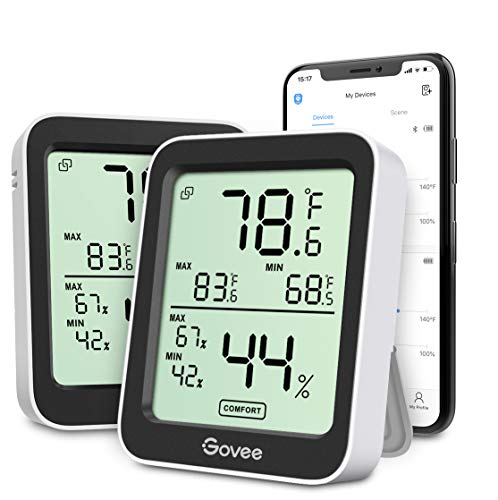
Digital Thermometer/Hygrometer
This essential device provides continuous, accurate readings of both ambient temperature and humidity within a reptile enclosure. Crucial for maintaining species-specific environmental parameters, it prevents common health issues associated with improper thermoregulation and hydration.

Reptile Heat Mat (UTH) with Thermostat
This combination provides critical belly heat for many snake species, facilitating proper digestion and overall health. The included thermostat is a non-negotiable safety feature, preventing overheating and maintaining a consistent temperature.

Aspen or Coconut Fiber Bedding
Selecting the appropriate substrate is fundamental for accommodating a snake's natural behaviors, such as burrowing, and for managing enclosure humidity. Options like aspen cater to arid environments, while coconut fiber excels in high-humidity setups.
Frequently Asked Questions
The Corn Snake is widely considered the best pet snake for beginners. They are incredibly docile, easy to care for, stay a manageable size, and come in many beautiful colors. Rosy Boas and Ball Pythons are also excellent first-time choices.
References & Sources
- https://reptifiles.com/snake-care-sheets/
- https://www.petmd.com/reptile/popular-pet-snake-species
- https://www.thesprucepets.com/pet-snake-species-5268240
- https://www.petmd.com/reptile/slideshows/best-captive-bred-snakes-stay-small
- https://www.thesprucepets.com/snake-species-1239472
- https://www.thesprucepets.com/pet-snakes-1237319
Related Articles

Best Pet Snakes for Kids: 4 Top Picks for 2026
Looking for the best pet snakes for kids? We rank 4 calm, hardy species perfect for young keepers — with care tips, setup advice, and age recommendations.

Best Pet Snakes for Beginners: 10 Top Picks Ranked
Ranked by ease of care, temperament, and cost — the 10 best pet snakes for beginners, with a quick-match table so you can find your perfect first snake instantly.

Best Snakes for Handling: Top Choices for Every Keeper
Discover the best snakes for handling, from docile Corn Snakes to calm Rosy Boas. Learn about temperament, size, care, and common mistakes to avoid for a rewarding pet experience.