African Fat Tail Gecko Care: The Complete Guide
Master african fat tail gecko care with this complete guide covering housing, humidity, heating, diet, and the beginner mistakes that send geckos to the vet.


✓Recommended Gear
TL;DR: African fat-tailed geckos need a 20-gallon terrarium with a warm side of 88–92°F, a cool side of 75–80°F, and 60–70% humidity — higher than most geckos. They are nocturnal, so low-intensity red or moonlight bulbs work better than bright basking lights, and they eat gut-loaded crickets and mealworms every 2–3 days dusted with calcium. Their calm temperament and moderate care requirements make them an excellent alternative to leopard geckos for beginners.
African fat tail gecko care is one of the most rewarding things a reptile keeper can take on. These chunky, velvet-soft geckos from West Africa are often called "the leopard gecko's chill cousin" — and for good reason. They're docile, manageable in size, and genuinely beautiful.
But here's what most care guides won't tell you upfront: fat tails have specific humidity needs that standard leopard gecko setups completely fail to meet. Get that wrong, and you'll spend months troubleshooting shed problems and respiratory infections. Get it right, and you'll have a thriving gecko that can live 20+ years.
This guide covers everything you need to know — from natural history to feeding schedules, enclosure builds, and the most common beginner mistakes.
Quick Facts: African Fat-Tailed Gecko
| Feature | Details |
|---|---|
| Scientific name | Hemitheconyx caudicinctus |
| Adult size | 7–9 inches |
| Lifespan | 15–20 years (up to 25 in captivity) |
| Native habitat | West Africa (Senegal to Cameroon) |
| Activity pattern | Crepuscular / nocturnal |
| Temperament | Docile, calm, beginner-friendly |
| Difficulty level | Easy–Moderate |
Natural History: Where Fat Tails Come From
African fat-tailed geckos (Hemitheconyx caudicinctus) come from the dry savannas and scrublands of West Africa. Their range stretches from Senegal across Togo, Benin, Nigeria, and into Cameroon. This isn't a scorching, bone-dry desert. It's a warm, semi-arid zone with both a pronounced dry season and a real wet season.
That ecological background matters a lot for your care setup. Fat tails evolved in an environment with meaningful humidity fluctuations. That's why they need 50–70% ambient humidity — far higher than leopard geckos. Their skin and respiratory system are adapted to that moisture level.
In the wild, fat tails spend their days hiding under rocks, inside burrows, or buried in leaf litter. They emerge at dusk and dawn to hunt. The fat stored in their thick tails is a survival adaptation — it fuels them through lean, dry seasons when insects are scarce.
How Does the African Fat Tail Differ From a Leopard Gecko?
These two geckos get confused all the time. They look similar, both live on the ground, and both are popular in the pet trade. But they are not interchangeable in care.
| Feature | African Fat Tail | Leopard Gecko |
|---|---|---|
| Humidity needs | 50–70% | 30–40% |
| Origin | West Africa | South/Central Asia |
| Skin texture | Velvety, smooth | More granular |
| Temperament | Initially shyer | Often bolder from the start |
| Moist hide required? | Yes, always | No |
| Breeding difficulty | Moderate | Easy |
The single biggest practical difference is humidity. Set up a fat tail like a leopard gecko and it will suffer from chronic dehydration, bad sheds, and long-term health issues. Always design the enclosure around moisture.
African Fat Tail vs. Leopard Gecko
Side-by-side comparison
| Feature | African Fat Tail | Leopard Gecko |
|---|---|---|
| Humidity needs | ★50–70% | 30–40% |
| Origin | West Africa | South/Central Asia |
| Skin texture | Velvety, smooth | More granular |
| Temperament | Initially shyer | ★Often bolder from the start |
| Moist hide required | ★Yes, always | No |
| Breeding difficulty | Moderate | ★Easy |
Our Take: Fat Tails need significantly higher humidity and a moist hide, making them distinct from Leopard Geckos despite their visual similarities.
Housing Your African Fat-Tailed Gecko
Enclosure Size
For a single adult, the minimum is a 20-gallon tank (24"L × 12"W × 12"H). That works, but it's tight. A 40-gallon breeder (36"L × 18"W × 18"H) gives your gecko room to establish a real thermal gradient, explore, and behave naturally. Bigger is genuinely better with this species.
For a pair or trio (one male, two females maximum), start with a 40-gallon breeder or larger. Never house two males together — they will fight and injure each other.
For specific product picks, see our Best African Fat-Tailed Gecko Enclosure: Top Picks.
Enclosure Style
Front-opening glass terrariums are the best choice. Approaching from the top mimics a predator attack and triggers a stress response in your gecko. Front doors make daily maintenance and feeding far less disruptive.
Glass holds humidity better than screen-top enclosures. If you use a mesh-top tank, cover 50–75% of it with aluminum foil or plastic wrap to prevent moisture from escaping.
Lighting and UVB
Fat tails are crepuscular and are often labeled "don't need UVB." That's an oversimplification — and it's being revised.
Recent research and reptile veterinary consensus increasingly recommend low-level UVB for all gecko species, including nocturnal ones. UVB allows them to synthesize vitamin D3 naturally, which directly supports calcium metabolism and long-term bone health. A T5 HO 5.0 or 6% UVB bulb run on a 10–12 hour cycle is the current best practice recommendation from sources like ReptiFiles.
If you choose to skip UVB, you must dust every feeding with a D3-containing calcium supplement. There's no workaround — D3 is essential.
For nighttime lighting, use dim red, blue, or "moonlight" LEDs if you want to observe your gecko after dark. Avoid bright white lights at night. Fat tails are stress-sensitive, and disrupting their photoperiod leads to feeding refusal and behavioral issues.
For a full breakdown, see our Best African Fat-Tailed Gecko Lighting: Top Picks.
Heating Requirements
Fat tails need a proper thermal gradient — a warm end and a cool end — so they can self-regulate their body temperature throughout the day.
| Zone | Target Temperature |
|---|---|
| Cool side (ambient) | 75–80°F (24–27°C) |
| Warm side (ambient) | 80–85°F (27–29°C) |
| Belly heat (warm hide floor) | 88–92°F (31–33°C) |
| Nighttime low | No lower than 70°F (21°C) |
Belly heat is critical. Fat tails digest food using heat absorbed from below, not from the air above them. An under-tank heater (UTH) placed under one side of the enclosure provides this. Always connect it to a thermostat. Unregulated heat mats can hit 120°F+ and cause severe, often fatal, burns from below.
Don't rely on heat lamps as your primary source. They drive humidity down and can cause eye irritation. A UTH on a thermostat plus ambient room temperature checks is the right foundation.
For detailed product recommendations, see our Best African Fat-Tailed Gecko Heating Options (2026).
Temperature Zones
Cool side (ambient)
75–80°F (24–27°C)
Warm side (ambient)
80–85°F (27–29°C)
Belly heat (warm hide floor)
88–92°F (31–33°C)
Always use thermostat-regulated UTH
Nighttime low
No lower than 70°F (21°C)
Humidity Requirements
This is the make-or-break parameter for african fat tail gecko care. You need 50–70% relative humidity throughout the enclosure — not just inside the moist hide.
Here's how to hit and maintain that range:
- Use a moisture-retaining substrate (see below)
- Mist one side of the enclosure lightly each evening
- Keep a large, shallow water dish on the cool side at all times
- Cover most of the screen top to slow evaporation
- Use a digital hygrometer to check levels daily
The moist hide is non-negotiable. Place a humid hide on the warm side of the enclosure. Fill it with damp sphagnum moss or moist coco fiber. This is where your gecko will retreat when it needs extra moisture — especially during shed. Without a moist hide, you will see retained shed on toes and eye caps. Left untreated, that leads to constriction and permanent damage or toe loss.
Humidity Essentials
What you need to know
Maintain 50–70% relative humidity throughout the enclosure
Use moisture-retaining substrate and mist one side each evening
Keep a large, shallow water dish on the cool side at all times
Cover 50–75% of screen top to prevent evaporation
A moist hide with damp sphagnum moss is non-negotiable for shedding
Substrate Options
Your substrate choice directly determines how well you can maintain humidity. It also affects your gecko's physical and psychological health.
Best Options
Bioactive mix (60% coconut fiber + 30% organic topsoil + 10% play sand): This is the gold standard. It holds humidity well, allows natural burrowing, and with an isopod and springtail clean-up crew, it's largely self-maintaining. It's also the most naturalistic setup you can provide.
Pure coconut fiber (coco fiber): Easy to source, affordable, and holds humidity reliably. Great for beginners who aren't ready to set up a full bioactive system.
Topsoil + sand mix: Works well and closely mirrors the natural substrate of West African savanna soils.
For our top picks, see Best African Fat-Tailed Gecko Substrate: Top Picks.
Substrates to Avoid
- Paper towels / reptile carpet: Fine for quarantine, useless for long-term care. They don't support humidity or natural behavior.
- Calci-sand or calcium sand: High impaction risk, especially in juveniles. Avoid entirely.
- Cedar or pine shavings: Toxic. Never use these with any reptile.
Aim for a minimum substrate depth of 3–4 inches. Fat tails like to burrow, and deeper substrate supports that natural behavior.
Décor and Enrichment
A bare enclosure is a stressed gecko. In the wild, fat tails navigate complex terrain — rocks, roots, dense leaf litter, and burrows. Replicating that in captivity makes a real difference in behavior, confidence, and long-term health.
Essential items to include:
- 2–3 hides minimum: One on the warm side, one on the cool side, one moist hide on the warm side. [Cork bark tubes](https://www.amazon.com/dp/B0DZSM5KS2?tag=krawlo-20 and half-log hides both work great.
- Flat rocks: Position these over the heat mat area so your gecko can absorb belly and dorsal heat simultaneously.
- Live or fake plants: These add visual barriers and a sense of security. Live plants also help maintain humidity.
- Leaf litter: Dried magnolia or oak leaves scattered across the substrate mimic natural cover and encourage exploration.
The goal is to give your gecko multiple microhabitats to choose from. When a gecko has options, it self-regulates better and shows more natural behavior. A gecko that's always visible and rarely hides is often stressed — not tame.
Feeding Your African Fat-Tailed Gecko
What Do They Eat?
Fat tails are strict insectivores. Their diet in the wild includes beetles, moths, crickets, and various other invertebrates. In captivity, you have a solid range of feeder options:
| Feeder Insect | Nutrition Profile | Role in Diet |
|---|---|---|
| Dubia roaches | High protein, moderate fat | Excellent staple |
| Crickets | Good protein | Solid staple; gut-load first |
| Black soldier fly larvae | High calcium, balanced nutrition | Great staple or supplement |
| Mealworms | High fat, lower protein | Occasional treat only |
| Waxworms | Very high fat | Rare treat; causes obesity if overused |
| Hornworms | High moisture, low fat | Good for hydration |
Feeding Schedule
| Age | Frequency | Feeder Size |
|---|---|---|
| Juvenile (0–6 months) | Daily | No wider than eye spacing |
| Sub-adult (6–12 months) | Every other day | No wider than eye spacing |
| Adult (12+ months) | 2–3 times per week | No wider than eye spacing |
Always size feeders conservatively. Prey items wider than the space between your gecko's eyes risk regurgitation, choking, or impaction.
Supplementation
Dust feeders with calcium + D3 powder at every feeding if you're not using UVB lighting. Use a multivitamin supplement every 2–3 feedings. Gut-load your feeders 24–48 hours before offering them — use leafy greens, carrots, squash, and a commercial gut-load formula.
Always provide a fresh, shallow water dish. Change it every 1–2 days to prevent bacterial buildup.
Handling Tips and Building Trust
Fat tails are docile geckos, but they start out shy. Some are confident from day one. Others take several weeks to warm up. Don't rush it.
The first two weeks — hands off. Let your gecko settle in, start eating consistently, and explore its enclosure on its own terms. This acclimation period is critical. Skipping it is one of the most common beginner mistakes.
Starting to handle: Begin with 5-minute sessions. Let the gecko walk from hand to hand rather than being gripped or restrained. Stay low to the ground in case it jumps.
Building up: Gradually increase sessions to 15–20 minutes as your gecko grows comfortable. Most fat tails become calm and tolerant with consistent, gentle interaction over several weeks.
What to avoid:
- Never reach in from above — this triggers the prey response
- Don't handle within 48 hours of a big feeding
- Avoid handling during shed — the skin is sensitive and pulling causes pain
- Keep sessions in a calm, quiet space away from loud noises or other pets
Fat tails rarely bite, but a startled gecko may chirp or squeak. That's a stress signal. If you hear it, put your gecko back and try again another day.
Common Beginner Mistakes
These are the errors that send fat tails to the vet most often:
Using a leopard gecko setup. The biggest one by far. Humidity is the defining difference. If you're converting an existing leopard gecko enclosure, you'll need to change the substrate and add moisture management before your fat tail moves in.
No thermostat on the heat mat. An uncontrolled mat can reach dangerous temperatures and cause severe burns from below. This injury is often fatal. Always use a thermostat — it's not optional.
Skipping the moist hide. Without a humid retreat, fat tails develop chronic shed problems. Retained shed on toes leads to constriction and, eventually, toe loss.
Feeding oversized prey. When in doubt, size down. An undersized feeder is always better than one that causes regurgitation or injury.
Handling too soon. Rushing the acclimation period causes chronic stress. A chronically stressed gecko refuses food and becomes more susceptible to illness. Two weeks of hands-off time is an investment, not a delay.
Skipping supplementation. Metabolic bone disease (MBD) is entirely preventable. Calcium + D3 is not a suggestion — it's a requirement.
Health and Common Issues
| Issue | Signs | Likely Cause | Action |
|---|---|---|---|
| Retained shed | Skin stuck on toes or eye caps | Low humidity, no moist hide | Warm soak + check enclosure humidity |
| Metabolic bone disease | Soft jaw, tremors, skeletal deformity | D3 or calcium deficiency | Vet visit + supplementation protocol |
| Respiratory infection | Wheezing, mucus, open-mouth breathing | Temperature too low or humidity too high | Vet visit — this is urgent |
| Intestinal parasites | Weight loss, loose or irregular feces | Wild-caught stock or contaminated feeders | Fecal test and vet treatment |
| Tail autotomy | Tail dropped | Rough handling, extreme stress | Tail will regrow; keep area clean and monitor |
Any unexplained weight loss, feeding refusal lasting more than three to four weeks, or unusual behavior warrants a vet visit. Find a reptile-experienced vet before you need one — not during an emergency.
Cleaning and Maintenance Schedule
Spot-clean the enclosure every 2–3 days: remove waste, dead feeders, and shed skin. Replace the water dish water daily.
For non-bioactive setups, do a full deep clean every 2–3 months. Remove your gecko to a temporary container, strip and replace the substrate, and disinfect all décor and the enclosure walls with a reptile-safe cleaner. Rinse everything thoroughly before reassembling.
For bioactive setups, a clean-up crew of isopods and springtails handles most of the waste. Spot-clean as needed and refresh patches of substrate every few months.
African fat tail gecko care rewards keepers who pay attention to the fundamentals — especially humidity and belly heat. Nail those two things, and everything else falls into place. These geckos aren't just beautiful; they develop real personality with time and consistent handling. Set them up right, give them space to settle in, and you'll have one of the most enjoyable reptiles you've ever kept.
Recommended Gear

Reptile Under-Tank Heater with Thermostat
Belly heat is essential for digestion in African fat-tailed geckos. A thermostat-controlled UTH prevents dangerous overheating and gives you precise temperature control at the substrate level.
Check Price on AmazonT5 HO 5.0 UVB Reptile Bulb
Low-level UVB allows fat-tailed geckos to synthesize vitamin D3 naturally, supporting calcium metabolism and long-term bone health — even for crepuscular species.
Check Price on AmazonCoconut Fiber Reptile Substrate
Coconut fiber holds moisture reliably, supports healthy humidity levels, and allows natural burrowing behavior — all critical for African fat-tailed gecko welfare.
Check Price on Amazon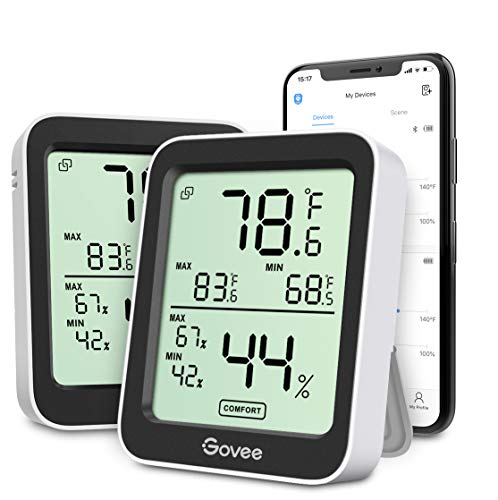
Digital Reptile Thermometer Hygrometer
Humidity is the most commonly mismanaged parameter in fat tail care. A dual thermometer-hygrometer lets you monitor both temperature and humidity at a glance, every day.
Check Price on AmazonReptile Calcium with D3 Supplement
Calcium and D3 supplementation is non-negotiable for preventing metabolic bone disease in insectivore geckos. Dust every feeding if you're not using UVB lighting.
Check Price on AmazonFrequently Asked Questions
No — a heat lamp is not the best primary heat source for African fat-tailed geckos. They need belly heat more than air heat, since they digest food using warmth absorbed from below. An under-tank heater (UTH) connected to a thermostat is the recommended setup. If you do use a heat lamp as a secondary ambient heat source, keep it low-wattage and make sure it doesn't drive your humidity below 50%.
References & Sources
- https://reptifiles.com/african-fat-tailed-gecko-care-sheet/
- https://www.thebiodude.com/blogs/gecko-caresheets/african-fat-tailed-gecko-hemitheconyx-caudicinctus-care-sheet-and-bioactive-terrarium-maintenance?srsltid=AfmBOopkk2Cfkca9f1fu7K9EPdtMGqQPzBG8WySb_4gGgzjDmkslJGeN
- https://reptilesmagazine.com/african-fat-tailed-gecko-care-sheet/?srsltid=AfmBOorr9c3fVzdBFwIkg7FNBsO43qziZGc1dl9ftRy0nMZ3DHxlxZWW
- https://www.thesprucepets.com/how-to-care-for-an-african-fat-tailed-gecko-5221035
- https://reptifiles.com/wp-content/uploads/2024/04/African-Fat-Tailed-Gecko-Care-Sheet-ReptiFiles-PDF.pdf
Related Articles

African Spurred Tortoise Housing: Essential Tips for a Happy Home
Learn the essential tips for creating a safe and comfortable home for your African spurred tortoise, including indoor and outdoor enclosure ideas.

Bearded Dragon Shedding Frequency: What's Normal?
Learn how often bearded dragons shed by age, what signs to watch for, and how to help your beardie through a healthy shed without causing harm.

Albino Animals: What Every Reptile Owner Should Know
Albino reptiles and pets are stunning — but albinism affects more than color. Learn what it means, how it works, and how to care for albino animals properly.