Best Temp for Bearded Dragon: A Complete 2026 Guide
Struggling to find the best temp for your bearded dragon? Our guide covers ideal basking, cool side, and nighttime temperatures for babies and adults to ensure they thrive.


This article contains affiliate links. If you make a purchase through these links, we may earn a small commission at no extra cost to you. See our affiliate disclosure for details.
We recommend 4 picks here. Our top choice is the Infrared Temperature Gun — check price and availability below.
How we choose: we compare published specifications against the care requirements in veterinary and species-care literature, and weigh those against what long-time keepers report. We do not test products ourselves and we do not restate Amazon star ratings. The 6 sources behind this article are listed at the bottom.
Quick Comparison
- Primary Function
- Spot temperature measurement
- Measurement/Output Type
- Surface temperature
- Continuous Operation
- Manual (spot check)
- Direct Safety Feature
- Indirect (verifies safe temps)
- Typical Price Range
- $15-30
- Primary Function
- Continuous ambient monitoring
- Measurement/Output Type
- Ambient air temperature
- Continuous Operation
- Yes (real-time data)
- Direct Safety Feature
- Indirect (alerts to unsafe temps)
- Typical Price Range
- $10-25
- Primary Function
- Automatic heat regulation
- Measurement/Output Type
- Regulated heat output
- Continuous Operation
- Yes (automatic control)
- Direct Safety Feature
- Direct (prevents overheating)
- Typical Price Range
- $80-150
- Primary Function
- Light-free radiant heating
- Measurement/Output Type
- Infrared heat (no light)
- Continuous Operation
- Yes (constant heat)
- Direct Safety Feature
- Requires external safety (e.g., thermostat)
- Typical Price Range
- $15-40
Prices are estimates only. Actual prices on Amazon may vary.
Getting the temperature right for your bearded dragon isn't just a small detail—it's the absolute foundation of good health. These amazing reptiles come from the hot, arid deserts of Australia, and they rely completely on their environment to regulate their body temperature. This process, called thermoregulation, affects everything from their digestion and immune system to their energy levels and overall happiness.
Think of it this way: without the right heat, a bearded dragon can't properly digest its food. This can lead to serious issues like gut impaction and nutrient deficiencies. Incorrect temperatures can also suppress their immune system, making them more vulnerable to illness. So, if you want your scaly friend to live a long, healthy life, you've got to become an expert on their climate.
Don't worry, it's not as complicated as it sounds. This guide will walk you through everything you need to know to find the best temp for your bearded dragon, from the basking spot to the cool side and even what to do at night.
The Secret is the Gradient
First things first: you're not aiming for one single temperature throughout the entire enclosure. That's a common mistake new keepers make. Instead, you need to create a thermal gradient. This simply means providing a range of temperatures from a hot basking area on one side of the tank to a cooler area on the other.
This gradient is crucial because it allows your bearded dragon to thermoregulate naturally. If they feel cool, they'll move to the basking spot to warm up. If they get too toasty, they'll wander over to the cool side to lower their body temperature. Giving them this choice is essential for their well-being and prevents the dangerous risk of overheating.
Creating this gradient involves a hot basking bulb on one end of the enclosure and leaving the other end unheated. The combination of a focused heat source and an open space is what establishes the perfect range of temperatures for your pet.
Basking Spot Temperature by Age
Baby/Juvenile (0-12 months)
105–110°F
40–43°C for rapid growth and digestion
Adult (12+ months)
100–105°F
38–40°C for healthy body functions
Cool Side Requirements
What you need to know
Maintain 75–85°F (24–29°C) on the cool side
Allows dragons to cool down without getting too cold
Too warm = no escape from heat; too cold = they avoid it
Essential part of the thermal gradient system
Nighttime Temperature Setup
What you need to know
Ideal nighttime: 65–75°F (18–24°C)
Turn off all heating and lighting at night—critical for circadian rhythm
Use Ceramic Heat Emitter if house drops below 65°F (always with thermostat)
Never run heat lamps 24/7—disrupts sleep and prevents natural cooldown
Temperature Measurement Tools
Everything you need to get started
Detailed Reviews
1. Infrared Temperature Gun
Best Overall
Infrared Temperature Gun
Pros
- •Accurately measures surface temperatures instantaneously.
- •Crucial for verifying basking spot temperature without contact.
- •Versatile for checking various enclosure surfaces.
- •Easy to use with a point-and-shoot operation.
Cons
- •Does not measure ambient air temperature.
- •Requires manual operation for each reading.
- •Battery-dependent for functionality.
Bottom Line
This device is essential for precisely measuring surface temperatures, particularly the critical basking spot required for proper bearded dragon digestion. It provides instant, non-contact readings to ensure optimal thermal conditions.
2. Digital Probe Thermometer (2-Pack)
Editor's Choice
Digital Probe Thermometer (2-Pack)
Pros
- •Continuously monitors ambient air temperatures in real-time.
- •Dual probes enable simultaneous monitoring of hot and cool sides.
- •Provides data critical for maintaining a stable thermal gradient.
- •Often includes minimum and maximum temperature logging for review.
Cons
- •Probes may be prone to damage or chewing if not securely installed.
- •Does not directly measure surface temperatures.
- •Accuracy can vary between different models.
Bottom Line
Digital probe thermometers are vital for continuously monitoring ambient air temperatures, ensuring a stable thermal gradient across the enclosure. The dual-pack configuration allows for simultaneous tracking of both hot and cool sides.
3. Reptile Dimming Thermostat
Premium Pick
Reptile Dimming Thermostat
Pros
- •Maintains highly consistent and stable heat levels.
- •Eliminates stressful on/off heat cycles for the reptile.
- •Enhances safety by preventing overheating of heating elements.
- •Extends the operational lifespan of connected heating elements.
Cons
- •Typically incurs a higher upfront cost than basic thermostat types.
- •Requires specific heating elements compatible with dimming functionality.
- •Setup and calibration can be more involved compared to simpler models.
Bottom Line
A dimming thermostat is a non-negotiable safety device that ensures a consistently stable heating environment by modulating power to the heat source. This prevents temperature fluctuations that can induce stress and health complications for bearded dragons.
4. Ceramic Heat Emitter
Best Value
Ceramic Heat Emitter
Pros
- •Provides radiant heat without emitting any disruptive light.
- •Maintains stable nighttime temperatures for reptile health.
- •Does not interfere with natural circadian rhythms or sleep patterns.
- •Offers a long operational lifespan compared to traditional incandescent bulbs.
Cons
- •Does not produce beneficial UVA/UVB or visible light.
- •Emits significant heat and requires a protective cage to prevent burns.
- •Best used with a thermostat to prevent overheating and optimize energy use.
Bottom Line
Ceramic Heat Emitters provide essential light-free radiant heat, making them perfect for maintaining crucial nighttime temperatures without disrupting a bearded dragon's natural sleep cycle. They offer a reliable solution for overnight thermal stability.
Basking Spot: The Hot Seat
The single most important temperature in your setup is the basking surface temperature. This is the spot directly under the heat lamp where your dragon will spend a significant amount of time absorbing heat and UVB rays. The ideal basking temperature varies slightly with age.
Baby and Juvenile Dragons (0-12 months)
Young, growing bearded dragons need more intense heat to fuel their rapid growth and high-protein diet. They are eating a lot of insects, and that requires a powerful digestive system firing on all cylinders.
- Basking Surface Temp: 105–110°F (40–43°C)
This higher temperature ensures they can digest their food efficiently, absorb nutrients properly, and maintain a strong immune system. A cooler basking spot can lead to sluggishness and digestive problems.
Adult Dragons (12+ months)
Once your bearded dragon is fully grown, their metabolism slows down a bit. They don't need quite as much intense heat as they did when they were young. However, a proper basking spot is still non-negotiable.
- Basking Surface Temp: 100–105°F (38–40°C)
This range is the sweet spot for adult dragons to maintain healthy bodily functions. It's the perfect temperature for them to warm up in the morning and properly digest their meals of greens and insects. Finding the best temp for a bearded dragon in this adult stage is key to their long-term health.
The Cool Side: A Place to Chill
Equally important as the basking spot is the cool side of the enclosure. This is their retreat, the area they go to when they've absorbed enough heat. This side should be significantly cooler than the basking area but still warm and comfortable.
- Cool Side Ambient Temp: 75–85°F (24–29°C)
This temperature allows them to cool down without getting cold. If the cool side is too warm, your dragon has no way to escape the heat, putting them at risk of chronic overheating and dehydration. If it's too cold, they may avoid it altogether, spending too much time in the heat.
Nighttime Temperatures: Time for a Cooldown
In the wild, desert temperatures drop significantly after the sun goes down. Your bearded dragon is adapted to, and requires, this nightly temperature drop. It's a crucial part of their natural circadian rhythm. This means you should turn off all heating and lighting at night.
- Ideal Nighttime Temp: 65–75°F (18–24°C)
For most homes, room temperature falls perfectly within this range, so you won't need any special nighttime heating. Do not use a heat lamp 24/7. Constant light disrupts their sleep cycle, and constant heat doesn't allow for the natural cooldown their body expects.
If your house gets colder than 65°F (18°C) at night, you'll need a lightless heat source. The best option is a [Ceramic Heat Emitter (CHE)](https://www.amazon.com/dp/B096JWWQMC?tag=krawlo-20 These screw into a standard dome lamp but produce only heat, no light, making them perfect for supplemental overnight warmth without disturbing your dragon's sleep. Always connect a CHE to a thermostat to prevent it from getting too hot. Getting this right is a big part of mastering your bearded dragon's environment, almost as important as finding the best heat lamp for your bearded dragon in the first place.
Bearded Dragon Temperature Summary Table
| Age Group | Basking Spot (Surface) | Cool Side (Ambient) | Nighttime (Ambient) |
|---|---|---|---|
| Baby/Juvenile | 105–110°F / 40–43°C | 75–85°F / 24–29°C | 65–75°F / 18–24°C |
| Adult | 100–105°F / 38–40°C | 75–85°F / 24–29°C | 65–75°F / 18–24°C |
How to Measure Temperatures Accurately
You can't guess when it comes to temperature. Inaccurate readings can lead you to create a dangerously hot or cold environment. The cheap, stick-on dial thermometers are notoriously inaccurate and should be avoided at all costs.
The Right Tools for the Job
To get reliable readings, you need two specific tools:
-
An Infrared Temp Gun: This is for measuring the surface temperature of the basking spot. Since your dragon basks on a surface (a rock, branch, or log), it's the temperature of that surface that matters most. An [infrared temperature gun](https://www.amazon.com/dp/B0B71HFH9K?tag=krawlo-20 lets you point and click to get an instant, precise reading of the basking platform itself. This is the only way to truly know what temperature your dragon is experiencing.
-
Digital Probe Thermometers: These are for measuring the ambient (air) temperature. You'll need at least two: place one probe on the hot side (a few inches away from the basking spot) and the other on the cool side. This gives you a constant reading of your gradient. A [2-pack of digital thermometers](https://www.amazon.com/dp/B08R65W98H?tag=krawlo-20 is a cheap and effective investment.
The Ultimate Safety Tool: A Thermostat
All heat sources—whether it's a basking bulb or a ceramic heat emitter—must be connected to a thermostat. A thermostat acts as a fail-safe, automatically shutting off the heat source if the temperature exceeds your set point. This single device is the most important piece of safety equipment you can own, as it prevents the devastating burns or death that can result from a malfunctioning heat lamp.
For basking bulbs, a dimming thermostat is the gold standard. It works like a dimmer switch, reducing power to the bulb to maintain a steady temperature rather than just switching it on and off. This provides a more stable and natural heating experience for your dragon.
Signs Your Temperatures Are Wrong
Your bearded dragon's behavior is a great indicator of their comfort. By watching them, you can often spot signs that your temperatures need adjusting.
Signs of Being Too Hot
- Constant Gaping: A dragon holding its mouth wide open for long periods. This is how they release excess heat.
- Lethargy and Inactivity: Being too hot can be just as draining as being too cold.
- Hiding: Spending all their time on the cool side or in a hide, actively avoiding the basking light.
- Frantic Glass Surfing: Constantly trying to climb the walls to escape the heat.
- Dark Stress Marks: Dark ovals on their belly or a black beard can be a sign of stress from overheating.
Signs of Being Too Cold
- Lethargy and Weakness: A cold dragon is a sleepy dragon. They won't have the energy to move, hunt, or be active.
- Poor Appetite: They may refuse to eat because they don't have enough heat to digest the food.
- Staying in One Spot: Constantly sitting directly under the heat lamp and never moving to the cool side.
- Undigested Food: Seeing whole insects in their poop is a classic sign that their digestive system is too cold to function properly.
If you see these signs, especially lethargy, it's a good idea to double-check all your temps. Sometimes, a long period of lethargy can be a sign of illness or brumation, which has its own specific temperature needs. You can learn more about that in our guide to Bearded Dragon Brumation Temperature.
Final Thoughts
Mastering your bearded dragon's temperature gradient is the most impactful thing you can do for their health. By providing the right basking heat, a proper cool-down area, and a natural nightly temperature drop, you're mimicking the environment they evolved to thrive in.
Remember the key takeaways: create a gradient, measure temperatures with accurate tools like a temp gun and digital probes, and always use a thermostat for safety. It may take a little tweaking to get everything perfect, but your bearded dragon will thank you for it with years of active, healthy, and happy companionship.
Our Final Verdict

Infrared Temperature Gun
This device is essential for precisely measuring surface temperatures, particularly the critical basking spot required for proper bearded dragon digestion. It provides instant, non-contact readings to ensure optimal thermal conditions.
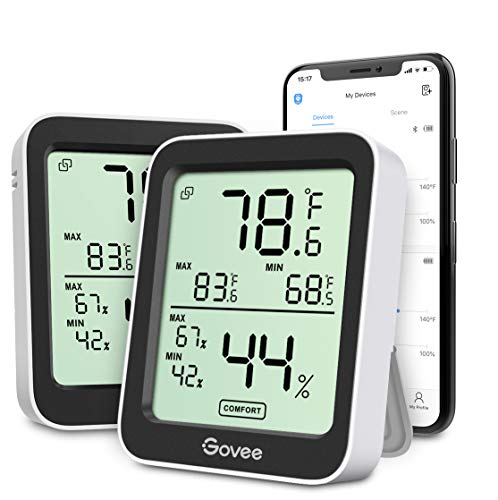
Digital Probe Thermometer (2-Pack)
Digital probe thermometers are vital for continuously monitoring ambient air temperatures, ensuring a stable thermal gradient across the enclosure. The dual-pack configuration allows for simultaneous tracking of both hot and cool sides.
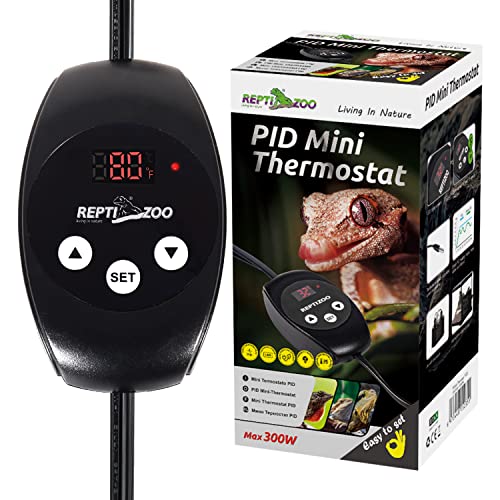
Reptile Dimming Thermostat
A dimming thermostat is a non-negotiable safety device that ensures a consistently stable heating environment by modulating power to the heat source. This prevents temperature fluctuations that can induce stress and health complications for bearded dragons.
Frequently Asked Questions
No, absolutely not. Bearded dragons require a natural temperature drop at night to simulate their desert habitat and regulate their sleep cycle. All lights and heat sources should be turned off at night. If your home gets below 65°F (18°C), use a lightless heat source like a Ceramic Heat Emitter (CHE) connected to a thermostat.
References & Sources
- https://reptifiles.com/bearded-dragon-care/bearded-dragon-temperatures-uvb/
- https://www.petmd.com/reptile/bearded-dragon-care-sheet
- https://reptifiles.com/wp-content/uploads/2020/10/Bearded-Dragon-Care-Sheet-PDF.pdf
- https://reptifiles.com/bearded-dragon-care/
- https://www.petmd.com/reptile/conditions/systemic/hypothermia-reptiles
- https://www.thesprucepets.com/bearded-dragons-as-pets-1236896
Related Articles

Best Bearded Dragon Accessories: Complete Setup Guide
Discover the best bearded dragon accessories for a thriving enclosure — basking platforms, hides, hammocks, climbing décor, and expert design tips for every budget.

Best Bearded Dragon Starter Kit (2026): What You Really Need
Find the best bearded dragon starter kit in 2026. We break down what's worth buying, what to skip, and exactly what your beardie needs to thrive.

Best UVB Light for Bearded Dragon (2026 Keeper's Guide)
Find the best UVB light for your bearded dragon in 2026. T5 vs T8, wattage, placement, and top picks reviewed by reptile care specialists.